
In the vibrant world of Animal Restaurant, creating a buffet that captivates customers hinges on understanding their unique preferences and the restaurant’s environment. With the right strategies, you can entice a variety of animal customers and enhance their dining experience. This article delves into three essential chapters: first, how to serve the preferred dishes that delight your guests; next, the importance of using appropriate decorations and facilities to set the ambiance; and finally, how timing, effective promotion, and keen awareness of potential bugs play critical roles in customer attraction. Each chapter will equip you with actionable insights to maximize customer satisfaction and drive consistent patronage.
Serve What They Crave: Mastering Buffet Dishes to Draw Customers in Animal Restaurant

Serve the Right Dishes to Invite the Right Guests
At the heart of filling your buffet in Animal Restaurant is a simple idea: serve what your guests want. Each unique animal has distinct tastes, and the buffet’s success depends on matching those tastes reliably. That means more than tossing out a broad menu and hoping for luck. It requires targeted preparation, careful stocking, and a routine that makes your buffet the predictable choice for every roaming patron.
Start by learning the most important food matches. Some animals only arrive if specific items are present on the buffet. For instance, a relaxed sloth-type guest tends to favor grilled skewers, a strawberry snow cone, and fried rice. A tropical dog prefers fruity, beachy options like coconut plum wine and strawberry smoothies alongside heartier sides such as baked potatoes. Others need visual cues on the buffet: a freckled rabbit not only enjoys certain flavors but also responds if the surrounding area uses a stone path and elegant curtains. These are not random preferences; they are triggers. When the buffet lists the right combinations, the game treats it as an invitation.
Design your menu for targeted attraction. Rather than filling every slot with variety, dedicate a few permanent slots to reliable crowd magnets. Keep staple favorites available that draw common guests, and rotate one or two slots to feature rare-customer dishes. This keeps the buffet dynamic without losing the base draw. Set a short rotation schedule—swap two items every few in-game hours—so you test multiple triggers without confusing the system. Small, consistent changes reveal which combinations actually work for your visitor pool.
Decoration and facility requirements matter almost as much as food. Many animals will not appear unless the restaurant meets specific environmental conditions. A guest who likes a romantic atmosphere might be triggered by blue wind chimes and roses, while a cozy pup prefers a round mat and an artistic table. Think of food as the invitation and decor as the ambiance: both must align. Place permanent decorations that serve multiple guests when possible. For example, a neutral cozy corner can attract several species that prefer warmth without reducing your ability to lure others.
Timing and patience are crucial. Certain customers only visit during particular time windows. Even with their favorite dishes and the perfect setting, they may simply not be scheduled to appear outside that window. Track the arrival patterns you observe. If a rare guest never shows during a specific session, note the time and try again later. Over multiple sessions you’ll build a pattern, and that pattern becomes a predictive tool. Also accept that randomness plays a role. Some players report immediate success when they change menu items, while others wait longer. Treat the game’s unpredictability as part of the strategy: prepare consistently and wait.
Use preparation to reduce wasted effort. Before switching menu items, ensure you have enough ingredients and that the buffet system recognizes the new dishes. Place favorite foods visibly on the buffet so the game flags their availability. When targeting a specific visitor, make sure all required food types are present simultaneously. Partial availability rarely triggers special appearances. In practice, that means keeping a checklist: favorite dish, supporting side, required decoration, and time window. Check everything once before ending a session.
Test methodically. If you aim to attract a single rare guest, follow a repeatable test: set the precise dishes they prefer, add the required decor, play through the relevant time window, and record whether they come. Repeat the test multiple times before changing variables. This approach separates true conditions from simple luck. When you begin to see consistent results, you’ll know which elements are essential and which are cosmetic.
Troubleshoot with patience. If no guests arrive despite perfect matching, consider two possibilities: timing mismatch or a bug. Reboot the game, confirm you have the latest update, and try again. If the issue persists, reaching out to customer support can help resolve account-specific glitches. Keep session notes so you can describe the problem clearly—what dishes you had, what decorations were set, and what time windows you attempted.
Balance attraction with economy. Stocking every rare dish is costly. Combine analytical and economical thinking by prioritizing dishes that attract multiple guests or that are inexpensive to prepare. For example, a dish that appeals to several common visitors is more valuable than a costly item that only lures one extremely rare animal. Use a few premium slots for rare-customer tests while keeping the rest of the buffet reliable and affordable.
Finally, embrace incremental improvement. As you learn each animal’s tastes, build a reference list you can reuse. Over time, a well-chosen menu and permanent decor choices will create a dependable pattern of guests, and the buffet will feel alive rather than random. For players who enjoy deeper strategy, consider documenting successful setups and sharing them with the community for comparison.
For a practical example of detailed guidance on attracting customers and optimizing layout, see the gameplay advice from ZOL: https://game.zol.com.cn/9734755.html
You can also compare your in-game buffet planning to real-world buffet menu strategies for structural ideas, such as organizing staple items and rotating specials—see this reference for layout inspiration: Royal Buffet menu.
Serve the dishes they crave, match the mood, respect timing, and test with patience. When food, decor, and schedule align, your buffet becomes a reliable magnet for every curious animal who walks by.
Designing an Irresistible Buffet: Facilities, Decorations, and Menu Harmony to Draw Animal Restaurant Guests
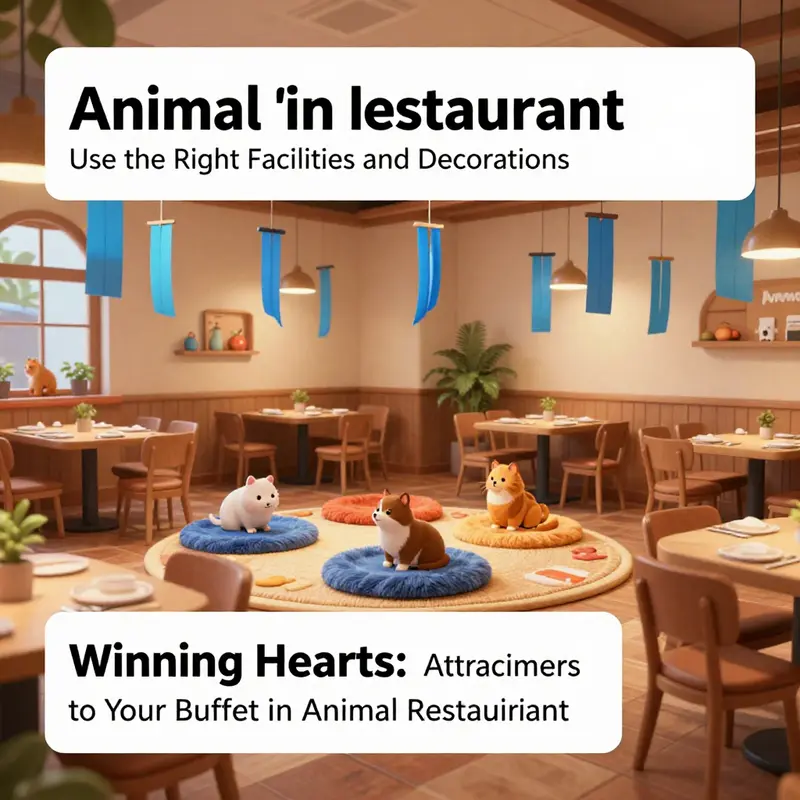
Creating the right atmosphere in your buffet matters as much as the dishes on offer. In Animal Restaurant, guests respond to a combination of facilities, decorations, and menu choices. A well‑designed buffet does three things at once: it raises your star rating, signals the type of service you provide, and matches specific guests’ preferences. Focus on how items work together, not merely on collecting rare furniture.
Start by matching facilities to targets. Some animals demand specific fixtures before they will appear. For example, a guest like the Sleek Fox expects a luxurious space with items such as a vintage chandelier, elegant curtains, and a marble table. The Pig prefers touches that signal charm and a certain rating level — blue wind chimes and daisies on the table help reach that effect. The Camera Dog looks for communication or delivery themed props, like a wooden mailbox, hummingbird post house, or a goose express delivery station. Installing these pieces changes the implicit promise your buffet makes to visitors. When a piece is placed, the game increases the chance that guests who respond to those cues will consider visiting.
Decorations do more than look pretty; they directly affect star rating and guest satisfaction. Each decorative element contributes to your restaurant’s score. That score acts as both a threshold and a lure. Higher star ratings unlock options and raise the probability that rare or picky guests will appear. Use a consistent aesthetic to amplify this effect. For instance, a romantic corner with rose vases and blue wind chimes creates a coherent signal for guests who enjoy intimate settings. Fairy lights and soft evening lamps tilt the mood toward relaxed, late‑night visitors. Seasonal décor—winter wreaths or spring flower arrangements—signals timely events and can invite limited‑time characters. Treat decoration as storytelling: every item should support the mood you want to sell.
Menu curation must go hand in hand with decor. Buffets attract diverse animals because they promise variety, but that promise only matters if you serve recognizable favorites. Include staple items that attract many visitors and also slot in specialties for the rare ones you want. Sleek Fox tends to prefer richer plates, like chicken curry rice, sushi rolls, and fruit jelly. Strawberry Bunny leans sweet, favoring strawberry shortcake and milk tea. Keep those dishes available at the buffet at the same time as the thematic décor that appeals to the same guests. A luxury setup without complementary food will underperform. Likewise, a perfect menu with mismatched decorations will reduce the chance of a targeted guest showing up. Think of menu and decor as a pairing: the visuals announce what the food will taste like.
Layout choices influence how items interact. The same lamp will contribute differently depending on where you place it. Position decorations to create zones within your buffet area. A plush round mat and an artistic table in a cozy corner form a discrete space for guests who prefer intimate dining. A marble table with a chandelier overhead reads as upscale seating. Group relevant props together so the game registers a coherent scene. Avoid scattering singular, unrelated items; clustering signals intention and is more effective at influencing star rating. Pathing and open space also matter: make sure guests can ‘see’ the themed zone. Visual lines and empty spaces can highlight a feature set, drawing attention to the dishes and furniture you want to promote.
Use practical strategies when you plan changes. Check guest profiles and your collection regularly. The in‑game descriptions often hint at what an animal likes. If you aim for a rare visit, install the required fixtures first, then add the matching dishes. Wait to see results; some guests appear immediately, others need time or particular hours. Keep a versatile core buffet that appeals broadly, then rotate themed displays for targeted recruitment. When working toward a specific character, remove conflicting decor that might lower the theme’s clarity. You do not need every rare item to succeed, but clarity helps: fewer, well‑chosen props beat many unrelated ones.
Balance investment against reward. Overdecorating without improving the menu or service can stall progress. Star rating matters, but guests also judge the perceived menu quality. Use upgrades to reach the star thresholds that unlock certain visitors, but prioritize items that help both aesthetics and function. For seasonal or event guests, time your decor swaps to match event windows. If a character is tied to winter, switching to winter props improves your odds directly. Promotions and in‑game advertising amplify visibility, but they work best when your buffet already reads as inviting.
When things go wrong, consider bugs and timing. If no customers arrive despite correct setups, the issue may be a game bug or a timing constraint. Some animals visit only during certain hours or appear only after other events occur. If you’ve done everything right and nothing changes, contact support. Meanwhile, continue refining your atmosphere and rotating dishes. Small changes compound: a coherent luxury theme plus the right dishes can shift your guest mix faster than adding random rare items.
For real‑world buffet inspiration or layout ideas, review a sample buffet menu to see how variety and focal dishes work together: Royal Buffet Menu.
For a deeper look at how decoration and facilities affect guest attraction in Animal Restaurant, see the official gameplay guide: https://game.zol.com.cn/7684/7684957.html
Timing, Promotion, and Bugs: Mastering Customer Flow at Animal Restaurant’s Buffet
At Animal Restaurant, the buffet is more than a display of dishes; it’s a stage where timing, promotions, and the quirks of the game’s systems converge to summon a diverse cast of guests. If you want to turn a quiet dining room into a bustling showroom of animal avatars, you must read the room as a timeline and a marketing canvas at once. The most effective setup balances three layers: predictable timing windows, visible opportunities for promotion, and resilience against the unpredictable quirks that can stall arrivals. Rather than banging menus or spamming ads, you choreograph your kitchen, your décor, and your messaging to align with guest cycles. In other words, success hinges on rhythm, not luck alone, and the chapter that follows maps that rhythm in practical terms.
Timing is crucial because many guests arrive only within fixed windows. Even a plate of their favorite fish may sit ignored if it is the wrong hour. The Moyu Dormant system adds another layer: Moyu the Sloth requires a moment of rest before it triggers new customer spawns. You must learn to wait after Moyu finishes resting, then watch for a cascade of visitors who have waited with you. Seasonal guests complicate the calendar further: a Winter-Season Guest may appear only when the cold winds blow and a certain recipe is on display, while Spring Visitors cling to lighter, floral textures. The timing game rewards patience and observation more than raw stocking of dishes.
The foods you stock matters as much as when you display them. Guests have precise preferences, not generic appetites. For example, Sloppy Sloth is drawn to a Simple Grill, Handheld Pancake, Strawberry Popsicle, and Fried Rice, while other guests chase different composites. Decor and ambience also tilt probability: a Lynx responds to a romantic mood created by blue wind chimes and roses in vases, while a Black Labrador settles into a cozy corner with a round mat and an artistic table. When you align both menu and surroundings with each guest’s tastes, you create a pull that is stronger than any single dish. That means maintaining a core set of high-probability orders and rotating specialty items in sync with observed visits.
Promotion is the fuel that makes the room feel active even when foot traffic is quiet. Banners, flyers, and in-game ads are not mere decoration; they are signals that invite curiosity and compete for attention in a crowded virtual street. Updating ad frequency, posting on social channels, and triggering showcase effects can lift visibility and attract new faces. Special events, such as holiday weekends, amplify the effect by bundling bonuses with limited-time guests. The key is to pace promotions so they feel timely rather than repetitive, which keeps anticipation high without flooding the feed. In practice, you should plan promotions around known guest schedules, then adjust in real time based on what visits you actually observe over the next few days.
Seasonal dynamics add color to the buffet calendar. The Winter-Season Guest illustrates how waiting for the right event window matters as much as preparing the right dish. Spring Visitors invite lighter colors and floral accents, nudging guests toward upbeat moods. Some guests respond to flower recipes paired with specific decor, while others rely on music and movement in the room. The Parrot Street Singer, for instance, signals a musical moment in which certain dishes become more appealing when the crowd is ready to linger. The lesson is simple: don’t chase a guest forever in a vacuum. Align your recipes, décor, and schedule with the season and the event rhythm so that your buffet feels alive and responsive rather than static.
Luck and randomness remain a stubborn factor. Even with perfect timing, the exact moment a guest spawns can feel like a coin flip. This uncertainty encourages you to maintain flexibility: keep a rotating menu, keep your décor adaptable, and keep your promotions modular. Build redundancy into your system so if one guest slips past, another will arrive in the same window. The strongest buffets in Animal Restaurant balance structure with spontaneity, so the room feels both curated and alive. Track your results by noting which hours show the strongest arrivals, and keep a small log of which decorations align with those visits. Even with a pattern, rotate dishes and ambience to prevent stagnation; a room that looks identical week after week can deter return guests. A repeatable framework—refresh stocks in the morning, adjust signage at noon, and test a featured dish in the evening—helps you respond quickly to shifting crowds.
On the technical side, some players report bugs that stall arrivals even when everything else is right. When you encounter a stall, a standard triage can help: restart the app, clear the cache if you can, and submit a report through the in-game support channel. Developers have acknowledged similar issues and patched them in past updates, so persistent problems are typically fixable. If none of the usual steps work, there is no shame in seeking official guidance; the path to resolution often begins with a clear bug report and a short description of what you did to reproduce the issue. Collect device information and the exact sequence of actions you took, as this helps engineers pinpoint root causes. Patched notes from late updates often mention fixes that address these spawning glitches.
For grounded, real-world experimentation, consider looking at documented examples of buffet-style promotion in related contexts. If you want a concrete sense of how a venue in a similar market positions its buffet and marketing, you can explore a local case like Buffets in Findlay, Ohio (https://royalbuffet.shop/buffets-in-findlay-ohio/). This reference helps translate the game’s abstract mechanics into familiar hospitality practices, showing how timing, promotion, and decor converge in a real setting. Remember, your goal in Animal Restaurant is to cultivate a habit of guests stopping by, not just a single spike of arrivals. The best players iterate, test, and refine, watching how small changes ripple through the next day’s or week’s guest flow. And when you need outside guidance, the official support resource offers step-by-step troubleshooting. For official guidance on issues, visit https://support.animalrestaurant.com
Final thoughts
Attracting customers to your buffet in Animal Restaurant requires a sophisticated approach that incorporates understanding animal preferences, optimizing decor and facilities, and strategically managing timing, promotions, and potential issues. By implementing the strategies outlined in each chapter, you can create an inviting and enjoyable dining environment that keeps animal customers returning time and again. Always remember, a happy customer is the best advertisement for your restaurant, so focus on delivering quality and meeting their expectations.